9 Effective Yoga Poses to Strengthen Your Digestive System Naturally
Published On : 01st Dec 2025

Digestive issues like bloating, acidity, constipation, and sluggish metabolism are extremely common today due to fast-paced lifestyles, stress, and poor eating habits. While improving your diet is essential, adding yoga to your routine can dramatically boost digestive health naturally.
Yoga helps stimulate the abdominal organs, enhances blood circulation, reduces stress hormones, and improves gut mobility — all of which play a major role in digestion. The best part? You don’t need to be flexible to start. Even beginners can practice these simple poses for noticeable benefits.
In this guide, we’ll explore how yoga supports digestion and the 9 best poses to include in your daily wellness routine.
How Yoga Helps Improve Digestion
Yoga supports digestion in multiple science-backed ways:
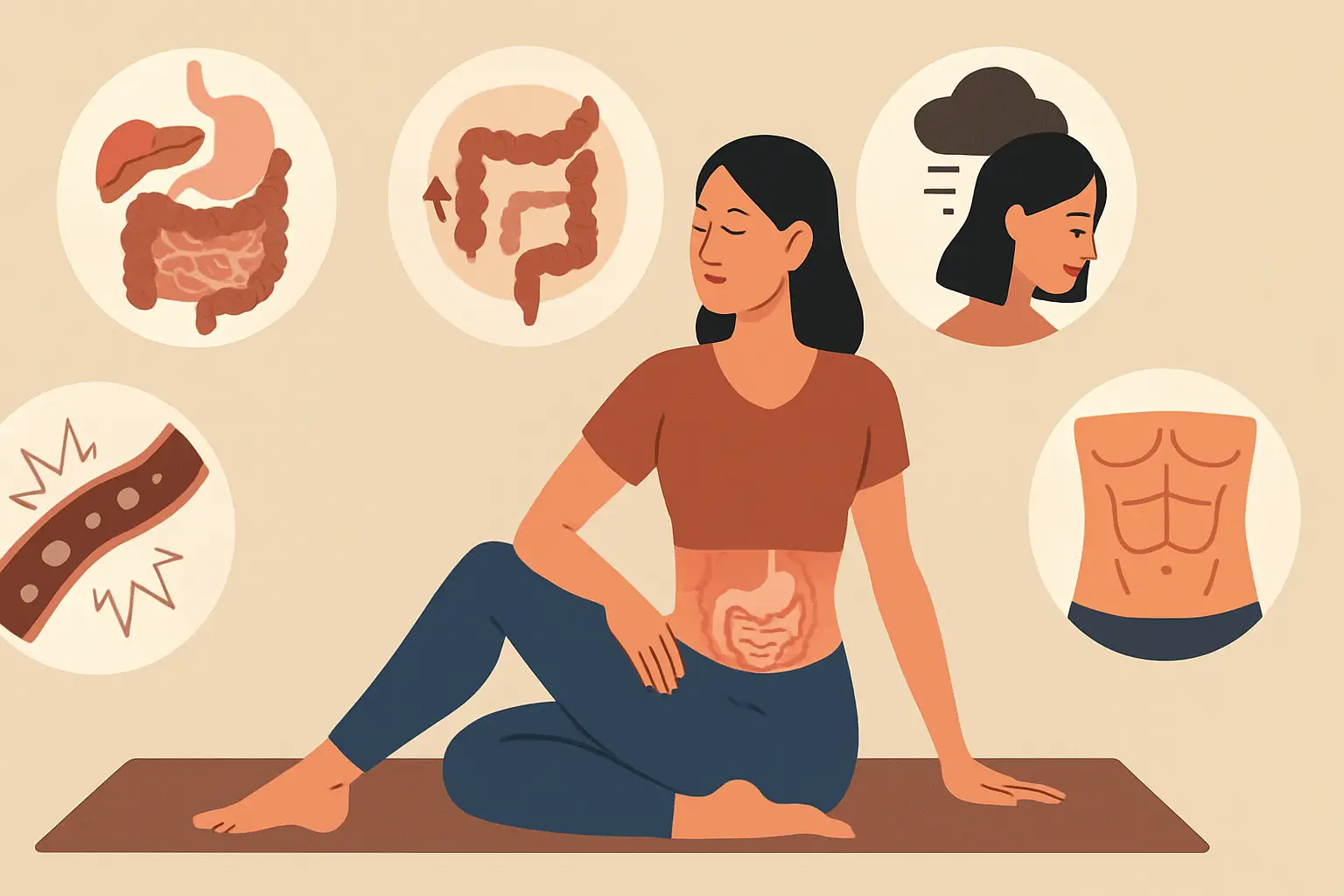
- Stimulates Digestive Organs: Twists, bends, and abdominal compressions gently massage the stomach, intestines, liver, and pancreas — improving nutrient absorption and digestion efficiency.
- Boosts Gut Motility: Poses that compress and release the abdomen help relieve constipation and promote smoother bowel movement.
- Reduces Stress: Stress is one of the biggest triggers of indigestion. Yoga lowers cortisol levels and activates the parasympathetic nervous system, also known as the “rest and digest” state.
- Improves Blood Circulation: Enhanced circulation helps carry oxygen and nutrients to digestive organs, improving overall functioning.
- Strengthens Core Muscles: A stronger core supports better posture, which improves digestion by preventing compression of abdominal organs.
9 Yoga Poses to Improve Digestion
Below are 9 beginner-friendly yoga poses that support gut health, reduce bloating, and improve metabolism.
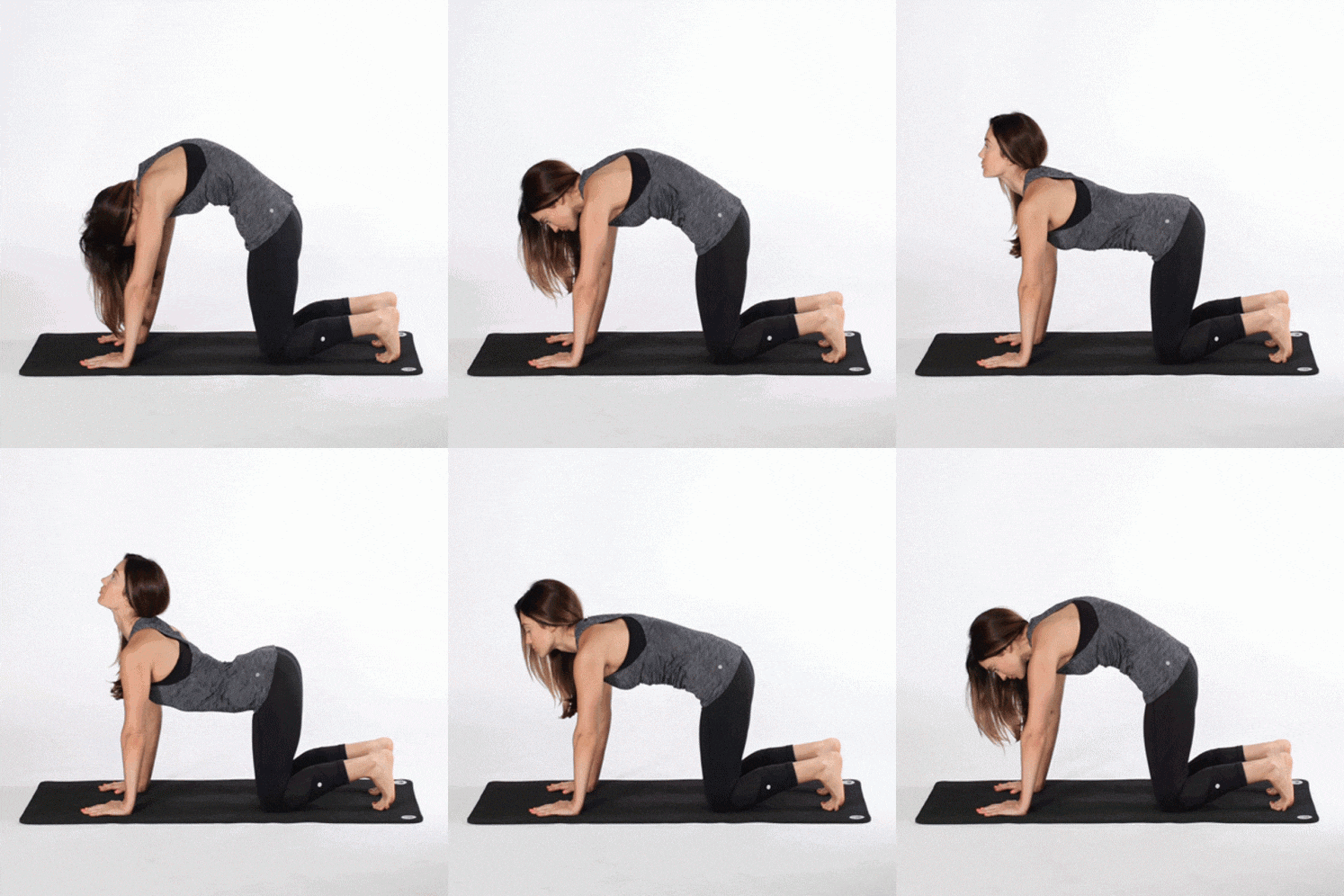
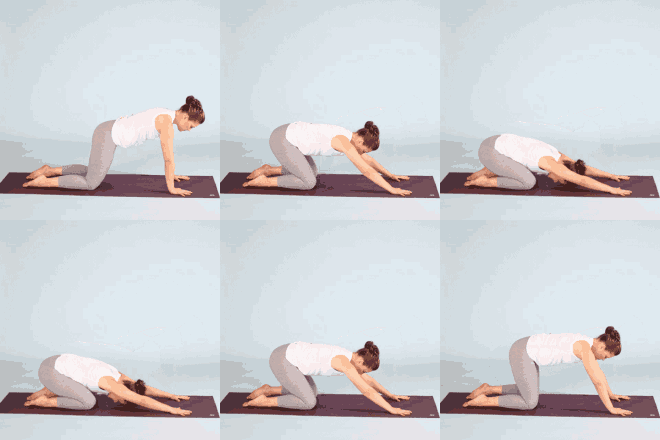
- Cat–Cow Pose (Marjaryasana–Bitilasana): Cat–Cow is a simple flowing movement that warms up the spine and massages the abdominal organs.
How It Helps Digestion:
- Encourages gut motility
- Improves blood flow to digestive organs
- Relieves mild gas and abdominal tightness
How to Practice:
- Start on your hands and knees in tabletop position.
- Inhale and drop your belly while lifting your chest (Cow Pose).
- Exhale and round your spine upward (Cat Pose).
- Repeat for 1–2 minutes with slow, deep breathing.

- Seated Forward Bend (Paschimottanasana): This classic stretch compresses the abdominal area, activating digestion and calming the mind.
How It Helps Digestion:
- Stimulates intestinal activity
- Reduces bloating and constipation
- Relaxes the nervous system to promote better digestion
How to Practice:
- Sit with legs stretched out.
- Inhale, lengthen the spine, and exhale as you fold forward.
- Hold for 30–60 seconds, breathing slowly.
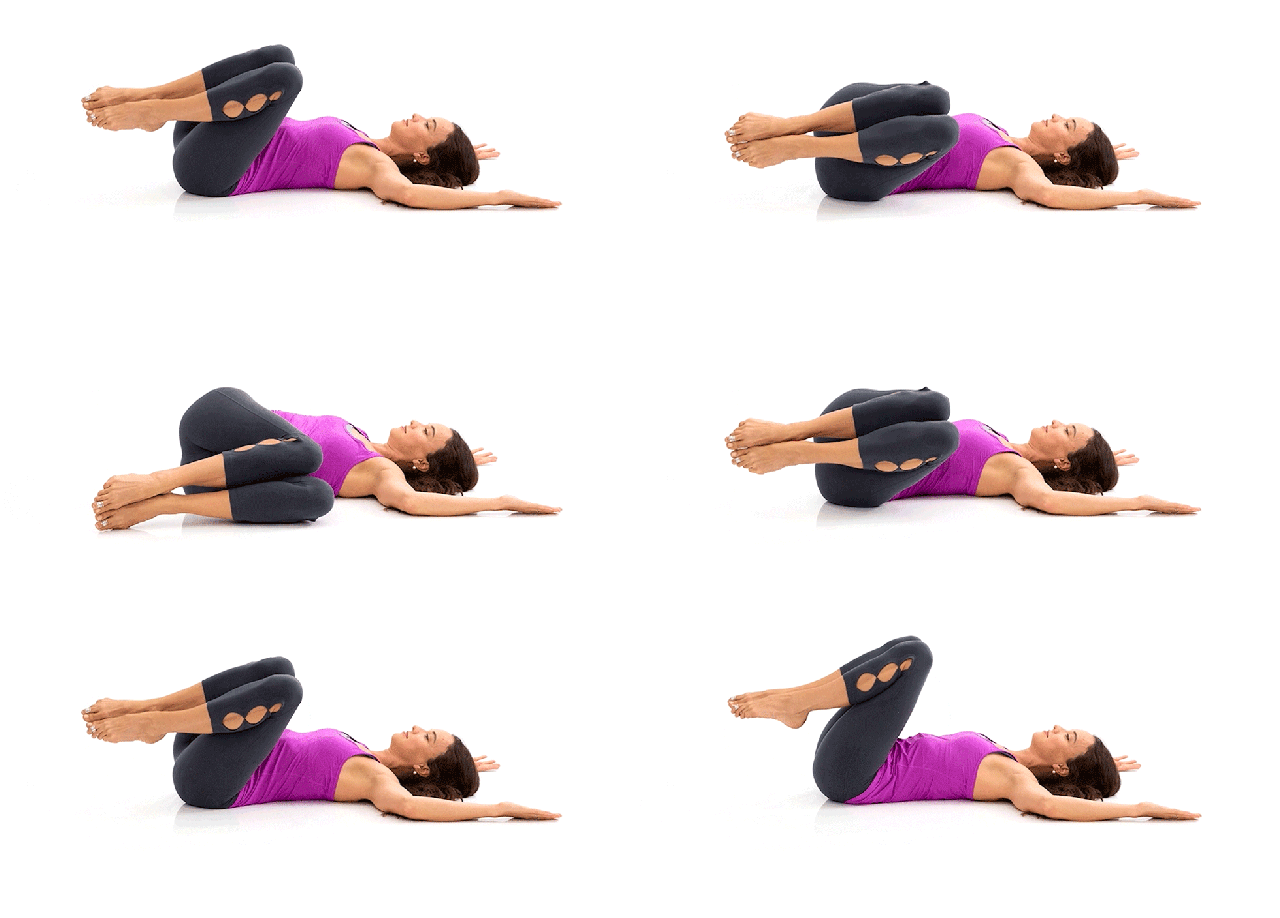
- Wind-Relieving Pose (Pawanmuktasana): A highly effective pose for releasing gas and alleviating stomach discomfort.
How It Helps Digestion:
- Eliminates gas trapped in the intestines
- Boosts bowel movement
- Relieves pressure in the lower abdomen
How to Practice:
- Lie on your back and hug your knees to your chest.
- Hold the knees while gently rocking side to side.
- Stay for 30 seconds to 1 minute.
- Supine Twist (Supta Matsyendrasana): A gentle twisting pose that detoxifies the digestive organs.
How It Helps Digestion:
- Improves intestinal mobility
- Stimulates liver and kidneys
- Reduces bloating and constipation
How to Practice:
- Lie down and bring your knees to your chest.
- Drop your legs to the right and twist your torso to the left.
- Hold for 30 seconds and switch sides.
- Cobra Pose (Bhujangasana): This gentle backbend activates abdominal organs and strengthens the digestive muscles.
How It Helps Digestion:
- Enhances abdominal circulation
- Improves appetite (in a healthy way)
- Strengthens core muscles
How to Practice:
- Lie on your stomach with palms under your shoulders.
- Inhale and lift your chest, keeping the elbows close to the body.
- Hold for 20–30 seconds.
- Child’s Pose (Balasana): A comforting pose that relaxes the stomach and calms the nervous system.
How It Helps Digestion:
- Reduces stress (a major digestion disruptor)
- Relieves stomach tightness
- Supports gut relaxation
How to Practice:
- Sit on your heels and bend forward.
- Stretch your arms ahead and breathe deeply.
- Stay for 1–2 minutes.
- Boat Pose (Navasana): Boat Pose strengthens the abdominal muscles, which support gut health and metabolic activity.
How It Helps Digestion:
- Strengthens core muscles for better organ support
- Boosts metabolism
- Improves blood circulation around the stomach
How to Practice:
- Sit and lean back slightly.
- Lift your legs and balance on your sit bones.
- Hold for 15–30 seconds while breathing steadily.
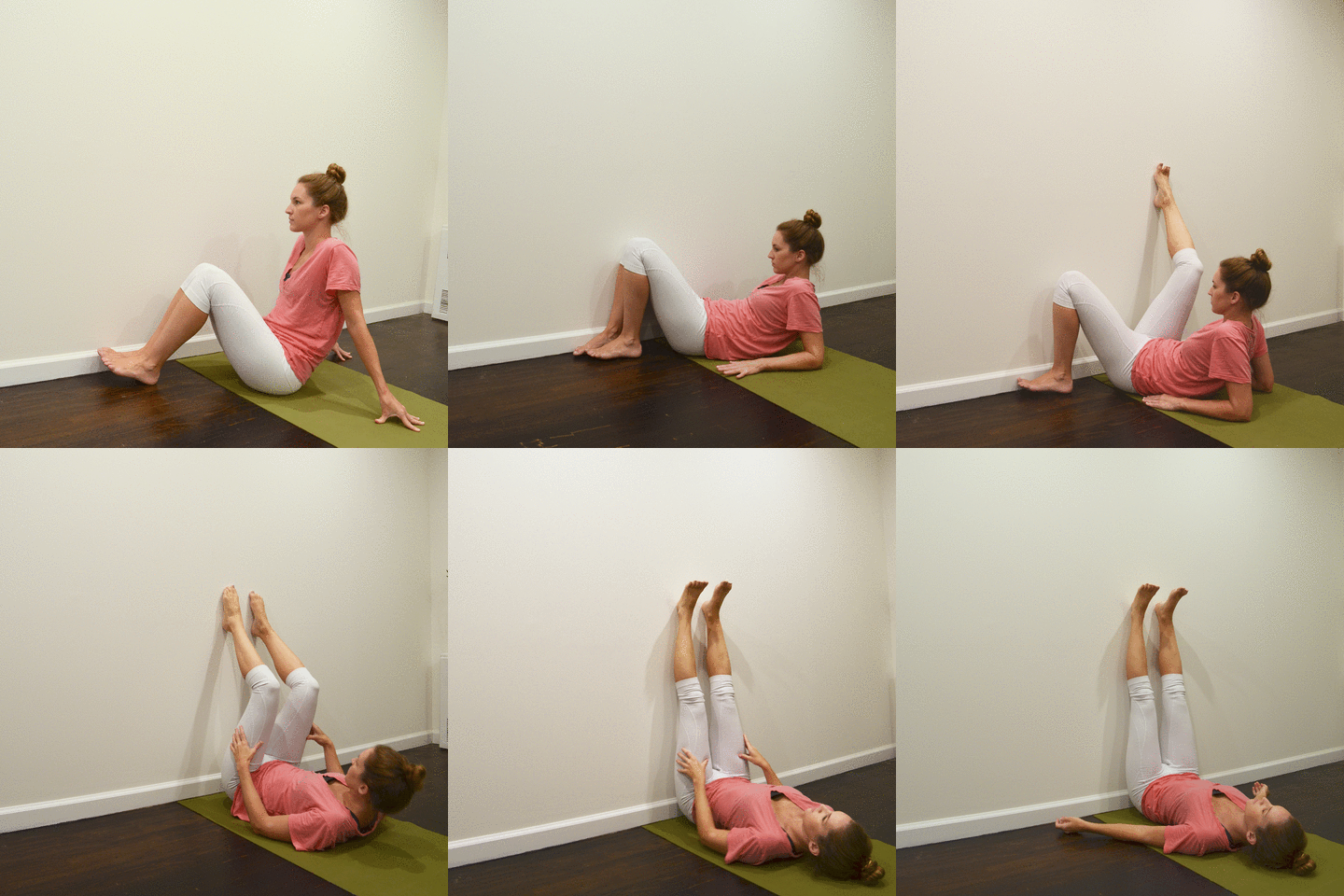
- Legs-Up-The-Wall (Viparita Karani): A restorative pose that encourages relaxation and supports healthy digestive function.
How It Helps Digestion:
- Reduces bloating
- Relieves constipation
- Improves circulation in the abdominal region
How to Practice:
- Sit beside a wall and swing your legs up.
- Lie down with legs vertical against the wall.
- Relax for 3–5 minutes.

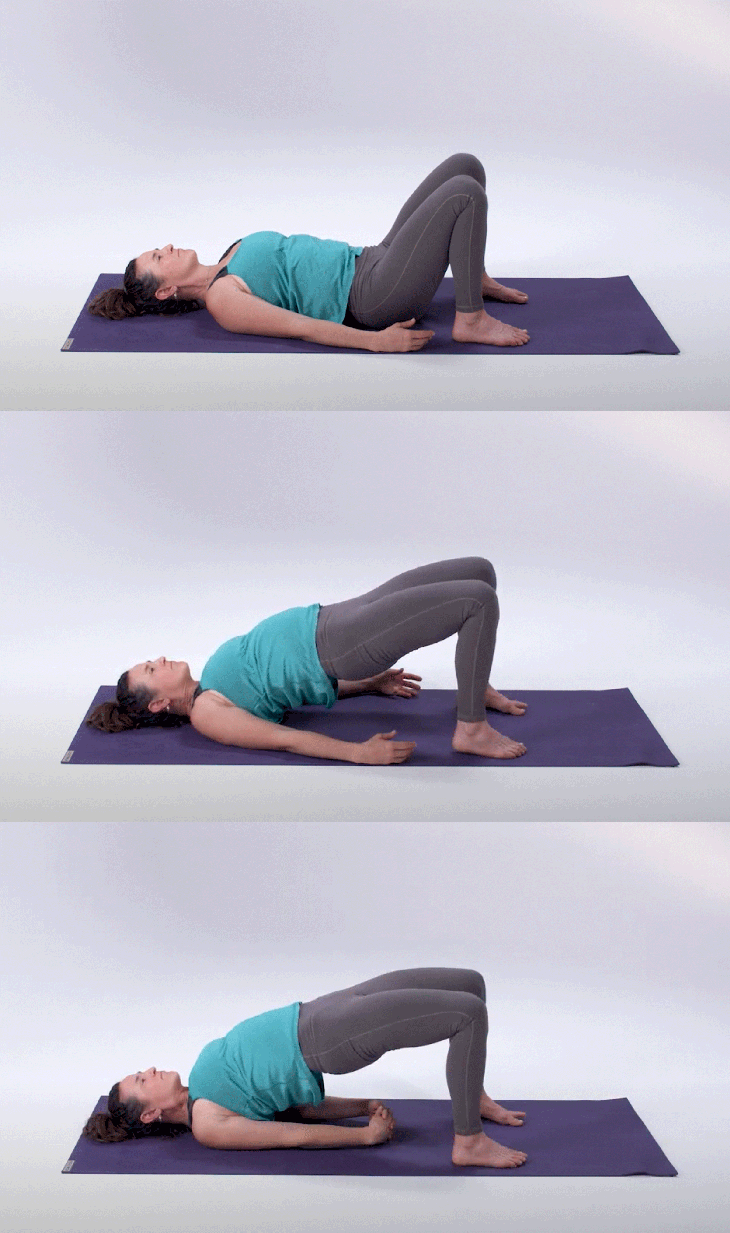
- Bridge Pose (Setu Bandhasana): This pose opens the chest and stimulates the digestive and thyroid glands.
How It Helps Digestion:
- Enhances metabolic activity
- Strengthens abdominal muscles
- Supports liver and kidney function
How to Practice:
- Lie on your back with knees bent.
- Lift your hips toward the ceiling.
- Hold for 20–40 seconds with slow breathing.
Best Time to Practice Yoga for Digestion
To maximize benefits:
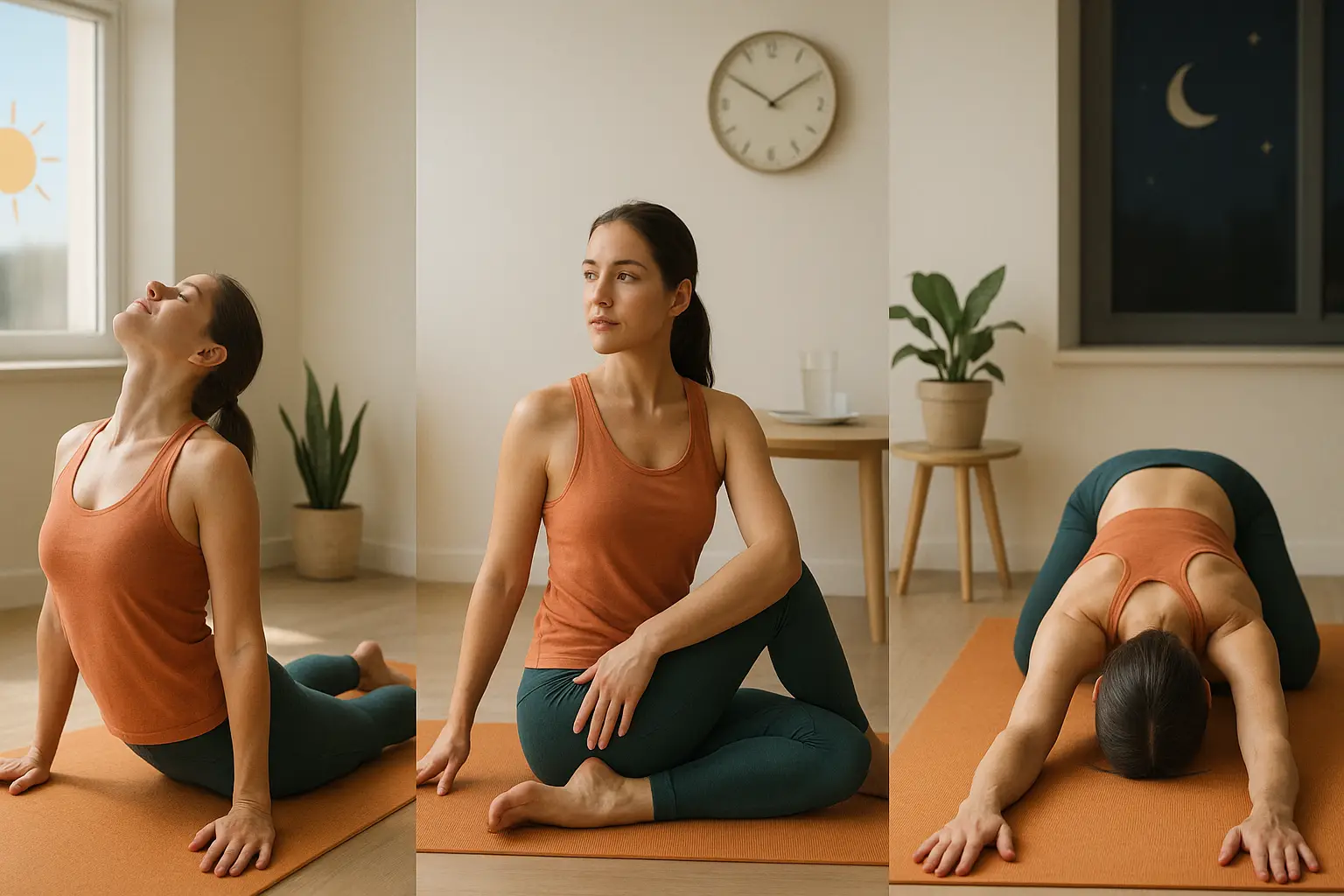
- Morning: Enhances metabolism & detoxification
- After meals: Wait 2–3 hours before doing yoga
- Evening: Helps reduce bloating and relaxes the gut
Additional Tips to Support Digestion Naturally
- Drink warm water throughout the day
- Eat slowly and mindfully
- Reduce fried, spicy, and packed foods
- Add probiotics like yogurt or curd
- Sleep 7–8 hours daily
- Manage stress through meditation
Conclusion
Yoga can be a powerful and natural tool to improve digestion, relieve discomfort, and enhance overall gut health. By practicing these 9 poses regularly, you stimulate vital digestive organs, reduce stress, and support a smoother, healthier gut function. Even 10–15 minutes of daily yoga can make a noticeable difference in reducing bloating, gas, acidity, and sluggish digestion.
Pair these poses with mindful eating, proper hydration, and regular movement for the best results.
Frequently Asked Questions
For best results, practice these poses at least 4–5 days a week. Even a 10-minute daily routine can help.
Yes. Pawanmuktasana, Cat–Cow, and Supine Twist are excellent for easing acidity and reducing bloating.
Avoid yoga immediately after meals. Wait 2–3 hours before practicing for optimal digestion.
Wind-Relieving Pose (Pawanmuktasana) is known to give quick relief from gas and abdominal discomfort.
Absolutely. All 9 poses are beginner-friendly and can be modified as needed.
Most people notice changes within 1–2 weeks of consistent practice.
Avoid deep twists or intense core work during severe pain. Gentle poses like Child’s Pose or Legs-Up-The-Wall are safer.